Diary Amily: A Script Font for Digital Branding and Web Design
The Elegance of a Woman’s Diary in Digital Form
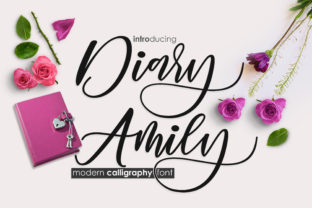
The Diary Amily is more than just a script font—it's a visual narrative. Inspired by the intimate entries of a woman’s diary, this typeface carries a sense of personal history, emotion, and authenticity. Its flowing lines and delicate strokes evoke a handwritten feel, making it ideal for digital projects that aim to connect with users on a deeper level.
Why Diary Amily Fits Web Design and Digital Layouts
As a web designer, I’ve found that the right font can make or break a user experience. Diary Amily stands out for its ability to blend elegance with readability. It’s not just decorative; it has a rhythm that supports visual hierarchy and guides the eye through content naturally.
This script font works well in both light and dark backgrounds, offering versatility in design scenarios. Whether you're creating a hero section for a landing page or designing a blog header, Diary Amily adds a touch of sophistication without overwhelming the layout.
Using Diary Amily in Digital Projects
Diary Amily is particularly effective in areas where emotional tone matters. For instance, it’s perfect for a creative portfolio site, where the personality of the designer shines through. It also works well in boutique online stores, where a unique brand voice is essential.
Consider using Diary Amily for:
- Hero Titles: Draw attention with a bold, elegant script.
- Section Headings: Add visual interest while maintaining readability.
- Call-to-Action Buttons: Encourage clicks with a warm, inviting style.
- Logo Text: Create a memorable brand identity with a handwritten feel.
- Decorative Accents: Use it sparingly for emphasis or design flair.
Pairing Diary Amily with a clean sans-serif font like Montserrat or Lato can create a balanced look. This combination allows the script to stand out while ensuring the body text remains easy to read across devices.
Readability and Responsiveness
When working with script fonts, readability is key. Diary Amily performs well in responsive layouts, especially when used at appropriate sizes. On mobile screens, ensure the font size is large enough to maintain legibility. Avoid using it for small buttons or dense text blocks.
For dark backgrounds, consider adding subtle contrast to ensure the text stands out. Light backgrounds work well too, as they allow the font’s natural flow to be more visible. When overlaying text on images, use a semi-transparent background to maintain clarity.
Font Pairing and Design Flexibility
Font pairing is an art form, and Diary Amily offers several possibilities. If you’re aiming for a modern editorial look, pair it with a serif font like Georgia or Cinzel. For a more contemporary feel, combine it with a minimalist sans-serif such as Inter or Open Sans.
For digital ads or social media graphics, use Diary Amily as a display font to catch attention. In contrast, reserve it for headings and key messages to avoid visual clutter. Always check the included styles, weights, and file formats to ensure compatibility with your project needs.
Commercial Licensing and Brand Identity
When selecting a font for commercial use, licensing is crucial. Ensure that Diary Amily’s license covers your intended use—whether it’s for a website, landing page, or online store. Most premium fonts, including Diary Amily, offer commercial licenses that allow use in client projects and brand assets.
By choosing Diary Amily, you’re not just selecting a font—you’re building a consistent brand identity. Its personality aligns with brands that value creativity, storytelling, and emotional connection. Whether it’s a course sales page, product landing page, or a branded web experience, this font helps reinforce your brand’s voice and values.
Conclusion
Diary Amily is a versatile script font that brings warmth and character to digital design. It’s suitable for a wide range of applications—from branding and web design to marketing and creative content. With its elegant style and practical usability, it’s a valuable addition to any designer’s toolkit.