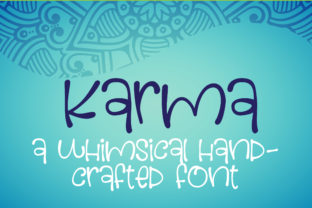
Karma: A Versatile Script Font for Editorial Design
Editorial Applications for Karma
Karma shines in editorial layouts where a touch of creativity meets functionality. Here are some key areas where this font can make a significant impact:
- Blog Headers: Use Karma for your blog titles to draw attention and set a welcoming tone.
- Magazine Covers: Its stylish yet readable nature makes it a great fit for cover text and titles.
- Ebook Titles: Karma adds a personal touch to book covers and chapter headings, enhancing the overall branding.
- Newsletter Graphics: Incorporate Karma into pull quotes or section headers to create visual interest.
- Quote Layouts: The font’s elegant curves are ideal for displaying inspirational or impactful quotes.
- Printable Guides: Use Karma for headings and subheadings in downloadable content like worksheets or planners.
- Content Branding: Karma can help reinforce your brand identity through consistent use across digital and print materials.
Readability and Visual Hierarchy
While Karma is a script font, it maintains excellent readability due to its clean structure and balanced spacing. It works well in both digital and print formats, supporting screen reading, PDF exports, and mobile layouts. However, it’s important to consider the context in which you use it. For longer blocks of text, it’s best paired with a more readable serif or sans serif font to ensure clarity.
When using Karma for visual hierarchy, consider its role in your layout. It excels in titles, subtitles, and accent typography, helping to guide the reader’s eye through the content. For example, a lifestyle blog might use Karma for the main title while pairing it with a clean sans serif font for body copy. This combination ensures both aesthetic appeal and readability.
Font Pairing for Editorial Use
Pairing Karma with complementary fonts can enhance its versatility. Here are a few effective combinations:
- Display Font + Readable Serif: Pair Karma with a classic serif font like Georgia or Times New Roman for body text. This creates a striking contrast while maintaining legibility.
- Modern Sans Serif: Use a clean sans serif like Helvetica or Arial for captions, navigation, and sidebars. This helps balance the ornamental qualities of Karma.
- Script Font + Script Font: If you’re aiming for a cohesive look, pair Karma with another script font that complements its style, such as Playfair Display or Great Vibes.
When selecting font pairings, always consider the purpose of the content. The goal is to create a visually engaging layout that doesn’t compromise readability.
Practical Examples for Different Content Types
Karma is incredibly adaptable, making it suitable for a wide range of publishing formats. Here are a few examples of how it can be used effectively:
- Lifestyle Blog: Use Karma for post titles and call-out boxes to add a personal touch.
- Recipe Ebook: Apply Karma to recipe names and ingredient lists for a friendly, approachable feel.
- Wedding Guide: Incorporate Karma into invitations, vows, and guestbook designs for a romantic and elegant look.
- Coaching Workbook: Use Karma for chapter openers and motivational quotes to inspire readers.
- Digital Magazine: Employ Karma for headers, pull quotes, and cover text to enhance visual storytelling.
- Printable Planner: Utilize Karma for section headers and weekly goals to create an organized yet stylish layout.
- Creator Newsletter: Add Karma to newsletter headers and promotional graphics for a professional yet creative vibe.
Commercial Licensing and Legal Considerations
As a premium font, Karma is designed for commercial use, making it an excellent choice for publishers, bloggers, and content creators. When using Karma in ebooks, templates, printables, paid newsletters, or client publications, ensure you have the appropriate license. Always check the included styles, alternates, ligatures, weights, and multilingual support to maximize its utility across different platforms and audiences.
By understanding how to properly license and use Karma, you can confidently incorporate it into your editorial workflow without legal concerns.